



In the realm of mattresses, discerning consumers understand that every component, no matter how subtle, can significantly impact quality, durability, and most importantly, health. Among the often-overlooked elements are the adhesives that bond various layers and materials together. At Essentia Organic Mattress, we take pride in being experts in the field, not only in crafting superior sleep solutions but also in ensuring the health and well-being of our customers. Let's unravel the intricate world of mattress adhesives, shedding light on the factors that contribute to both longevity and safety.
Types of Mattress Adhesives
Selecting the right adhesive is pivotal in mattress construction, not only for durability but also for health. At Essentia, we prioritize the use of non-toxic adhesives if necessary, but primarily use liquid latex to bond our layers which is the best choice for the well-being of our customers. Here's an expert overview of adhesive categories:
-
Methylene Chloride-Based Adhesives: Known for their strong bonding capabilities, these adhesives are durable but may release toxic fumes over time, making them unsuitable for health-conscious mattresses.
-
n-Propyl Bromide-Based Adhesives: Resistant to moisture and heat, these adhesives offer durability but can also pose health risks due to their chemical composition.
-
Acetone-Based Adhesives: Versatile and widely used, acetone-based adhesives can be problematic for those who prefer a toxin-free sleeping environment.
-
Adhesives Based on Acetone Blends with Other Chemicals: Tailored solutions can meet specific needs, but they may include chemical components that are undesirable in a healthy mattress.
-
Water-Based Latex Adhesives: Environmentally friendly and safe, these adhesives align with our commitment to health and sustainability.
-
Hot Melt Adhesives: Innovative and heat-activated, hot melt adhesives are both durable and free from toxic emissions.
The Ingredients Found in Mattress Adhesives
Let's take a closer look at what goes into these mattress adhesives:
-
Solvent/Water Carrier: It is the main ingredient in solvent and water-based adhesive formulations. The function of these formulations is to dissolve the solids ingredients that are deposited while bonding two surfaces. All types of adhesives have solvent content except for hot melt adhesives which are 100-percent solid content and rely on heat to cure.
-
Solid Component: The solid component is responsible for the bonding of two surfaces. It is usually dissolved in the solvent and is deposited on the surface when the solvent evaporates. Most of the adhesives use a polymer called as styrene-butadiene-styrene block copolymer, as the solid component; except for the water-based adhesives that use latex.
-
Tackifying Resin: This agent adds stickiness to the adhesive, allowing both surfaces to "tack up." Many adhesives use rosin-based materials for this purpose.
-
Antioxidants: Vital for preserving the adhesive's integrity in storage, antioxidants prevent the glue from oxidizing. They typically make up a small percentage of the adhesive's volume.
-
Surfactant: In water-based adhesives, surfactants play a role in enhancing emulsifying, foaming, dispersing, spreading, and wetting properties.
-
Stabilizers: Some adhesives are unstable chemically or thermally, and need addition of stabilizers to function well. Some stabilizers neutralize acids and bases formed in the glue due to interaction between the ingredients.
-
Fillers: Certain mattress adhesives incorporate fillers, such as high-molecular-weight substances like wax, to enhance strength.
Why Does a Mattress Need Glue?
Mattress manufacturers use glues to bond the inner layers of mattresses together as well as to bond the fabric cover to the core.
Adhesives can be rolled to bond each layer or can be diluted in water and sprayed over each surface to be bonded. This second application method allows manufacturers to call their glue a "water-based adhesive".
A water-based adhesive is a simple process whereby water is mixed in with a solvent-based adhesive to facilitate spraying the glue over each mattress surface. When the glue dries, all water molecules in the adhesive evaporate and only the adhesive which emits VOCs is left behind.
The long-term health effects that may occur after prolonged exposure to Volatile Organic Content (VOC) found in Adhesive/Glue solvents include cancers, damage to the heart, liver, central nervous system, and kidneys.
Does Essentia Use Glue?

In the world of mattresses, understanding the role of adhesives is paramount to making an informed choice. We've explored the types of glues commonly found in mattresses and what goes into them. As consumers, it's crucial to be aware of these components to ensure not only durability but also health and well-being.
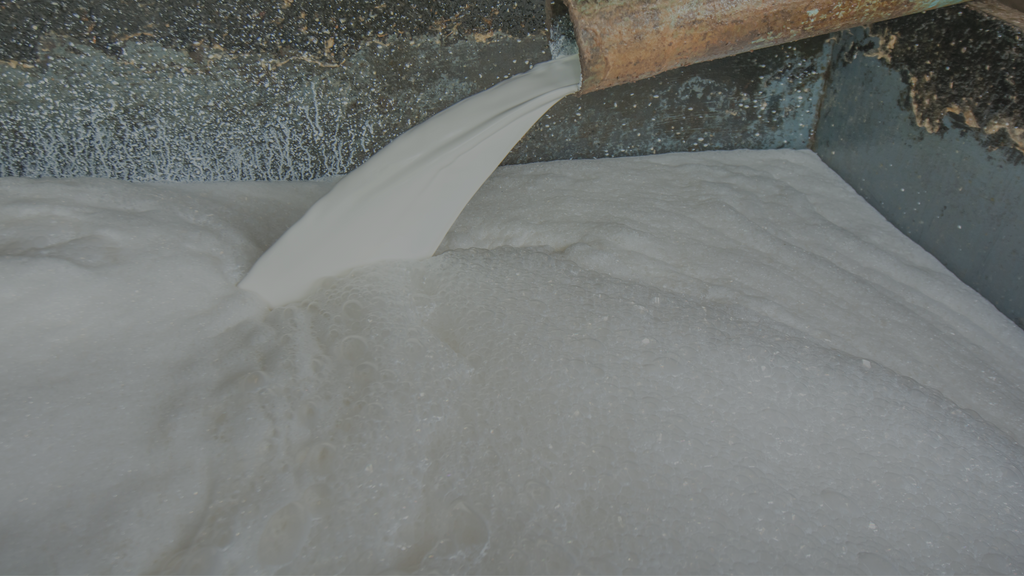
At Essentia Organic Mattress, we take our commitment to your health and comfort seriously. We believe that a mattress should not only provide a restful night's sleep but also contribute to a healthier lifestyle. Most of our mattresses contain no glue but rather are bonded together with GOLS certified organic liquid latex. By using liquid latex to bond our Beyond Latex organic foam to the organic latex support core when the mattress is cured, it creates the strongest bond while also maintaining the healthiest air quality outcomes.
In the event that we do have to use an actual adhesive, we've gone the extra mile to source and use a Greenguard Gold certified water-based latex adhesive.
Greenguard Gold certification is a rigorous standard that ensures the adhesive meets strict criteria for low chemical emissions. This certification signifies that the glue has been independently tested and verified to emit minimal levels of volatile organic compounds (VOCs) and other harmful chemicals. This commitment to indoor air quality helps create a healthier sleeping environment for you and your family.
Our use of GOLS certified liquid latex or Greenguard Gold certified water-based latex adhesive is just one example of how Essentia sets itself apart as a leader in sleep innovation. We believe in providing not only top-tier comfort but also peace of mind, knowing that your mattress promotes a healthier and greener lifestyle.
So, when you choose an Essentia mattress, you're not only investing in a good night's sleep but also in your overall well-being and the health of the planet. We invite you to experience the Essentia difference and rest easy, knowing that you've made a choice that prioritizes your health and the environment.
